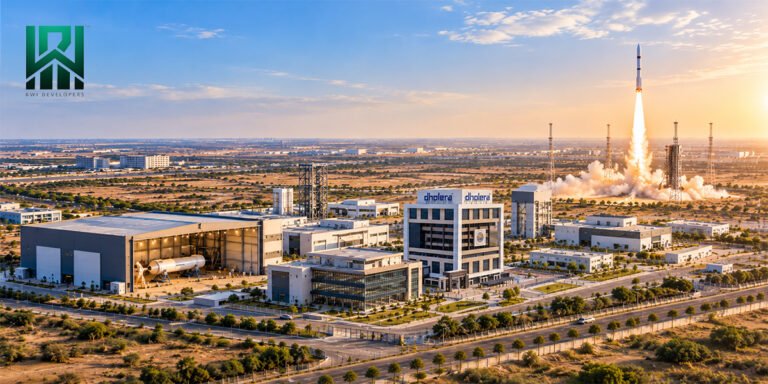
When discussing the development of Dholera SIR, conversations usually focus on roads, the airport, rail connectivity, manufacturing and the semiconductor industry.
But there is another piece of infrastructure that is just as important to the long-term development of a greenfield industrial city: water.
As Dholera develops into a major industrial and technology-oriented destination, ensuring a reliable water supply will become increasingly important. Semiconductor manufacturing, advanced industries, data centres, commercial establishments and residential development all require dependable water infrastructure.
This makes desalination an important part of understanding the broader development of Dholera Smart City.
Why Water Infrastructure Matters for Dholera
Dholera is being developed as a planned greenfield urban-industrial region rather than as an organic extension of an existing city.
That means its infrastructure has to be planned around future requirements.
The Gujarat government’s industrial policy identifies water, wastewater, drainage, power and other utilities as components of Dholera’s planned smart and sustainable infrastructure. The policy also identifies electronics, high-technology industries, defence, engineering and other sectors among the region’s focus areas.
These industries can have very different water requirements.
A semiconductor fabrication facility, for example, requires highly controlled water systems as part of its manufacturing processes. Residential communities and commercial developments have different requirements, while large-scale digital infrastructure can also require significant cooling capacity.
The challenge is therefore not simply providing drinking water.
It is creating a water system capable of supporting an expanding industrial ecosystem.
Why Desalination Is Relevant
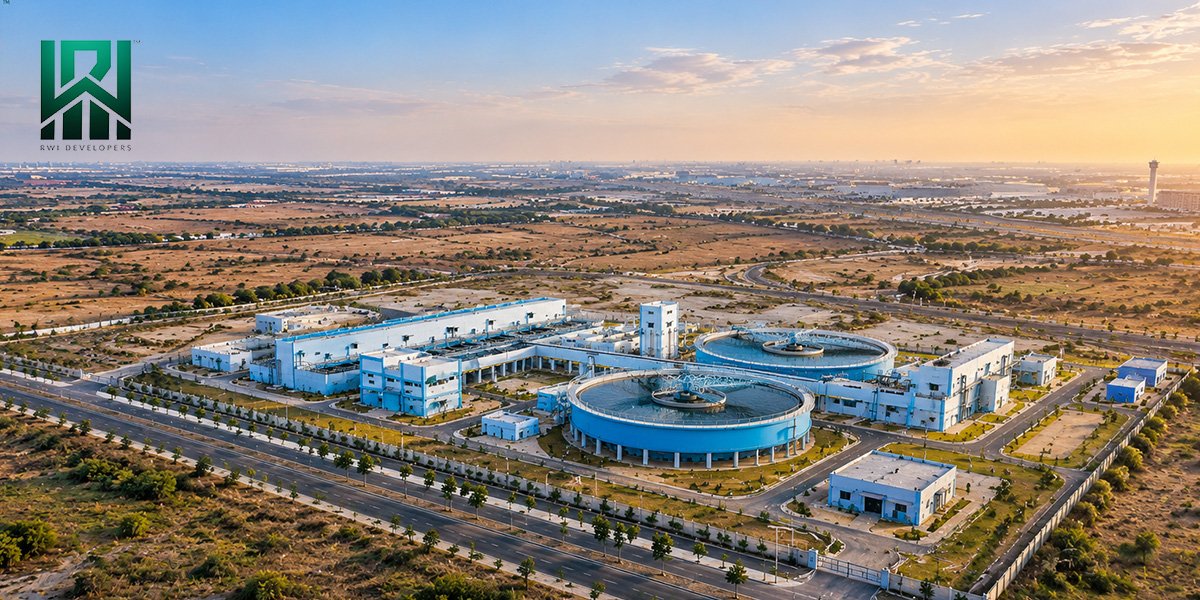
Dholera’s location makes seawater desalination a potentially important component of its long-term water strategy.
Desalination involves removing salts and other minerals from seawater to produce freshwater suitable for different uses.
For a developing coastal industrial region, this can provide an additional source of water that is less dependent on conventional freshwater resources.
This is particularly relevant when planning infrastructure for a region expected to accommodate both industrial and urban activity.
Dholera’s Semiconductor Industry and Water Requirements
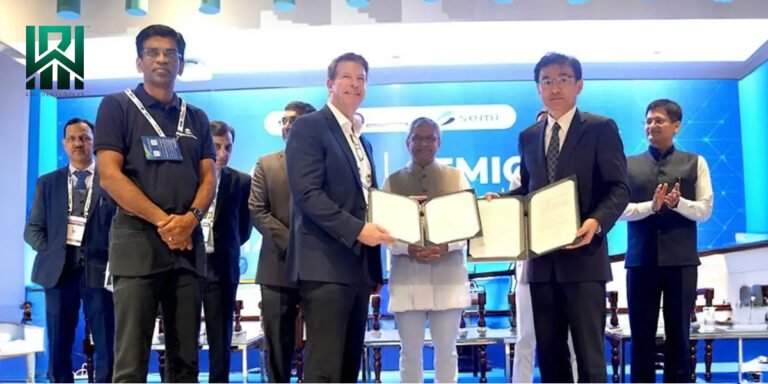
The development of Tata Electronics’ semiconductor fabrication facility makes water infrastructure even more relevant to Dholera’s future.
Semiconductor manufacturing is a highly resource-intensive process and requires carefully treated water for manufacturing operations.
Gujarat’s semiconductor policy specifically provides for water availability for eligible semiconductor fabrication projects. The policy also includes provisions for capital support where an eligible semiconductor or display fabrication project establishes a captive desalination plant.
This illustrates how water security is directly connected to the state’s strategy for attracting advanced manufacturing.
The development of Dholera’s water infrastructure therefore supports the same industrial ecosystem that the region is attempting to build around semiconductor manufacturing and other high-technology industries.
Beyond Semiconductors
Water infrastructure will not only serve semiconductor manufacturing.
As Dholera develops, demand can emerge from several sectors:
- Advanced manufacturing
- Electronics
- Data centres
- Logistics
- Commercial developments
- Residential communities
- Hospitality
- Healthcare
- Institutional facilities
This makes water infrastructure a foundational component of the wider Dholera project.
Industrial development cannot be sustained without dependable utilities.
The Role of a Planned Water Network
One of the advantages of developing a greenfield smart city is that utilities can be incorporated into the planning process rather than being added piecemeal after urbanisation has already occurred.
Dholera’s planning framework includes infrastructure for water supply, wastewater management and drainage alongside transportation, power and urban development.
This integrated approach matters because industrial infrastructure and urban infrastructure have to function together.
Factories require utilities.
Workers require housing.
Housing requires water and sanitation.
Commercial establishments require utilities.
The result is an interconnected infrastructure system rather than a collection of isolated projects.
Desalination and Dholera’s Future Industrial Capacity
The importance of desalination should therefore be considered in the context of Dholera’s long-term industrial capacity.
A major manufacturing ecosystem requires reliable inputs.
Electricity is one.
Transportation is another.
Water is another.
Digital connectivity is increasingly important as well.
If these systems develop together, they can provide the underlying infrastructure needed for companies to establish and expand operations.
This is particularly relevant as Dholera seeks to attract industries requiring sophisticated infrastructure.
Water, Sustainability and Smart-City Development
Desalination also raises an important question about sustainability.
A modern smart city cannot simply focus on supplying more resources. It must also consider how those resources are produced, distributed, treated and reused.
Water management therefore extends beyond desalination.
A sustainable urban-industrial water system can include:
- Water treatment
- Wastewater treatment
- Recycling and reuse
- Efficient distribution
- Stormwater management
- Industrial water management
- Desalination
These systems can help reduce pressure on conventional freshwater resources while supporting urban and industrial development.
What Does This Mean for Dholera SIR?
The development of Dholera is often evaluated through visible infrastructure such as roads, airports and industrial facilities.
Water infrastructure is less visible, but it is equally fundamental.
A semiconductor plant cannot operate without utilities.
A data centre cannot operate without cooling and supporting infrastructure.
Factories require process water.
Residential communities require reliable water supply and sanitation.
This means that the development of Dholera’s water infrastructure should be viewed as part of the region’s broader economic foundation.
Dholera’s Infrastructure Story Is Becoming More Complete
The development of a greenfield smart city is ultimately about putting multiple infrastructure systems together.
Dholera’s transportation network can connect businesses to markets.
Its industrial infrastructure can support manufacturing.
Its power infrastructure can support energy-intensive operations.
Its digital infrastructure can support technology-oriented industries.
And its water infrastructure can provide one of the basic resources required for all of them.
That makes water an important part of understanding the Dholera project current status.
Rather than being a standalone utility issue, water infrastructure is connected to the region’s ability to support long-term industrial and urban growth.
Looking Ahead
As Dholera moves further into its next phase of development, water security will become increasingly important.
The semiconductor industry, advanced manufacturing, digital infrastructure and future residential development will all depend on reliable utilities.
Desalination can form an important component of that strategy, particularly when combined with wastewater treatment, recycling and efficient water management.
For those following Dholera SIR, the development of roads and industrial facilities may be the most visible indicators of progress.
But the less visible infrastructure underneath the city may ultimately be just as important.
Water is one of those foundations.
Frequently Asked Questions
Why is water infrastructure important for Dholera Smart City?
Dholera is being developed as a large planned industrial and urban region. Reliable water supply is therefore necessary for manufacturing, businesses, residential development and supporting infrastructure.
Why is desalination relevant to Dholera?
Desalination can provide an additional source of freshwater for a coastal industrial region and reduce dependence on conventional freshwater resources.
Why does semiconductor manufacturing require reliable water infrastructure?
Semiconductor fabrication uses highly controlled water systems during manufacturing. Gujarat’s semiconductor policy specifically addresses water availability and provisions related to captive desalination for eligible projects.
Will water infrastructure support only industrial development?
No. Water infrastructure will also support residential, commercial, institutional and hospitality development as Dholera grows.
How does water infrastructure fit into Dholera’s smart-city planning?
Dholera’s planning framework incorporates water supply, wastewater, drainage, power and other utilities alongside transportation and urban infrastructure.