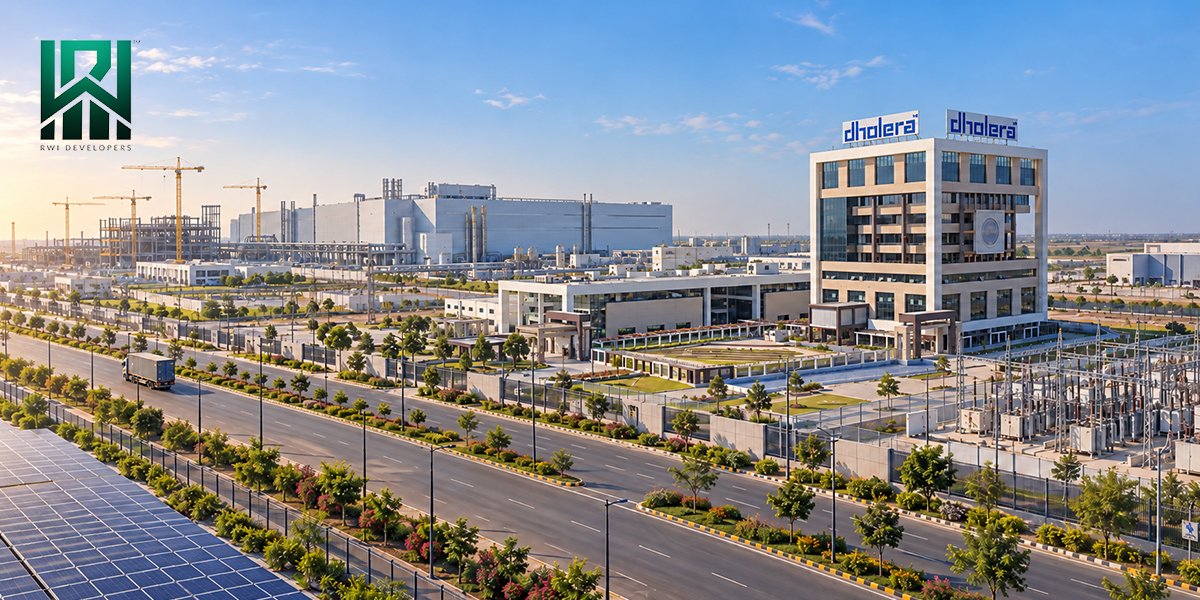
Dholera has been associated with India’s semiconductor ambitions for several years, primarily because of Tata Electronics’ planned semiconductor fabrication facility in Dholera SIR.
But the semiconductor story is now becoming broader than a single fabrication plant.
During September 2026, Tata Electronics announced new partnerships with companies including Fujifilm and Nexperia to strengthen different parts of the semiconductor value chain. These developments are significant because semiconductor manufacturing requires a network of specialised suppliers, materials, equipment, technology and skilled professionals around the core fabrication facility.
For Dholera, this represents a transition from a semiconductor project to the development of a semiconductor ecosystem.
Why the Semiconductor Ecosystem Matters
A semiconductor fabrication plant, commonly called a fab, is an extremely complex manufacturing facility.
It requires much more than the building in which chips are produced.
A functioning semiconductor ecosystem can include:
- Semiconductor materials
- High-purity chemicals
- Manufacturing equipment
- Lithography systems
- Testing and packaging
- Logistics
- Water and utility infrastructure
- Power systems
- Engineering services
- Research and development
- Skilled technical talent
- Equipment maintenance and support
This is why the development of supporting companies around a semiconductor fab can be as important to a region as the fab itself.
Tata Electronics’ Dholera Fab
Tata Electronics is developing a 300mm semiconductor fabrication facility in Dholera.
The Government of India notified the associated SEZ in April 2026, describing it as India’s first chip fabrication plant and stating that the facility is designed to support electronic hardware, software and IT/ITES activity.
The project has therefore become one of the most important anchors within Dholera’s emerging industrial ecosystem.
But the latest developments suggest that the ecosystem around the fab is now expanding.
Fujifilm’s Semiconductor Materials Partnership
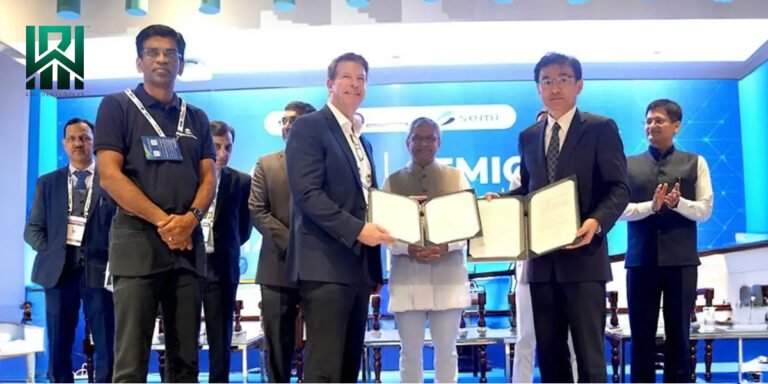
On September 17, 2026, Tata Electronics and Fujifilm announced a strategic partnership focused on developing India’s semiconductor materials ecosystem.
According to Fujifilm, the partnership will support the development and supply of advanced semiconductor materials for Tata Electronics’ upcoming fab in Dholera. Fujifilm also plans to invest approximately ₹800 crore in phases to establish a semiconductor materials plant in Dholera SIR.
This is important because materials are a fundamental component of semiconductor manufacturing.
A semiconductor fab cannot operate independently from the supply chain that provides the specialised materials needed for production.
Nexperia and the Next Layer of the Ecosystem
Another significant development came in September 2026, when Nexperia announced a partnership with Tata Electronics.
The partnership includes production and packaging of Nexperia power-control chips, with manufacturing planned at Tata’s Dholera facility and testing and assembly connected to Tata’s packaging facility in Assam.
This provides another example of how Dholera’s semiconductor story is becoming connected to an international supply chain.
ASML and Advanced Semiconductor Manufacturing
Earlier in 2026, Tata Electronics and ASML also announced a strategic partnership to support the Dholera fab.
ASML’s role is particularly important because lithography is one of the critical technologies used in semiconductor manufacturing.
The partnership also includes training, skills development and research and development infrastructure.
Taken together, the ASML, Fujifilm and Nexperia developments show how multiple parts of the semiconductor value chain are beginning to connect with Tata’s Dholera project.
From One Project to an Industrial Cluster
This is where the Dholera story becomes particularly interesting.
A major semiconductor facility can act as an anchor for related businesses.
For example, a fab may create demand for:
Materials → Equipment → Manufacturing → Testing → Packaging → Logistics → Engineering → R&D → Skilled workforce
As more companies participate in these activities, the economic effect can extend beyond the original project.
This is one reason semiconductor clusters have developed around major manufacturing locations globally.
Dholera’s challenge and opportunity will be to develop the infrastructure and supporting ecosystem required to make this network function efficiently.
What Does This Mean for Dholera SIR?
The semiconductor ecosystem strengthens Dholera’s position as a planned industrial destination.
The region is not being developed around conventional residential growth alone. Its development strategy includes advanced manufacturing and large-scale industrial infrastructure.
That makes the semiconductor sector particularly relevant to Dholera’s identity as a greenfield smart city.
The emergence of specialised suppliers also means that future industrial activity may increasingly be linked to the requirements of existing anchor projects.
Why Skilled Talent Will Matter
Semiconductor manufacturing is highly specialised.
The ecosystem requires engineers, technicians, equipment specialists, chemical specialists, manufacturing professionals and researchers.
Tata Electronics has already announced partnerships related to workforce development as part of its broader semiconductor programme.
Over time, this can create demand for training institutions, professional services, accommodation and other supporting infrastructure.
That is one way industrial development can influence the wider urban development of a planned region.
What Does the Latest Dholera Project Status Tell Us?
The important change in 2026 is the increasing number of ecosystem-level developments connected to the semiconductor project.
The Dholera fab itself remains the primary anchor, but developments involving materials, equipment, technology and chip-related partnerships indicate that companies are beginning to address different layers of the supply chain.
This is more meaningful than simply counting announcements.
For Dholera, the development of a functioning ecosystem will depend on whether these partnerships progress into operational facilities, supply arrangements and sustained industrial activity.
Looking Beyond the Semiconductor Fab
Dholera’s future industrial identity is likely to be broader than semiconductor fabrication alone.
Semiconductors can serve as an anchor around which other advanced manufacturing and technology activities develop.
The region’s growing connectivity and planned infrastructure can support this broader industrial framework, while other sectors such as aerospace, logistics and digital infrastructure may add further diversification.
For anyone tracking Dholera investment, property in Dholera or the broader Dholera SIR development story, this ecosystem effect is worth understanding.
The key question is not simply whether one major project is being built.
It is whether a network of businesses begins to develop around it.
The latest developments suggest that this network is beginning to take shape.
Frequently Asked Questions
What semiconductor project is being developed in Dholera?
Tata Electronics is developing a 300mm semiconductor fabrication facility in Dholera SIR. The Government of India notified its associated SEZ in April 2026.
What is Fujifilm doing in Dholera?
Fujifilm and Tata Electronics announced a partnership in September 2026 to develop and supply advanced semiconductor materials for the Dholera fab. Fujifilm plans a phased investment of approximately ₹800 crore in a semiconductor materials plant in Dholera.
Why is Nexperia’s partnership with Tata Electronics relevant to Dholera?
The partnership includes manufacturing Nexperia power-control chips at Tata’s Dholera facility, connecting the project with an international semiconductor supply chain.
Why does a semiconductor ecosystem matter for Dholera?
A fab requires a large network of materials suppliers, equipment providers, logistics companies, engineering services, technology partners and skilled workers. Developing this network can strengthen Dholera’s wider industrial ecosystem.